
SOUNDTRACKS
Concert Program
OCTOBER 29 & 30, 2026
RISING HEIGHTS ACADEMY
Music from the Screen and the Worlds Beyond It
Some of the most unforgettable moments on screen begin with what we hear.
A melody can make a place feel real before we have ever been there. It can tell us whom to trust, what to fear, when to hope, and when to let go. Long after the final scene fades, it is often the music that stays with us.
Soundtracks explores that connection through music from film, television, video games, opera, and the stage. Some of these pieces were written specifically for the worlds in which we first encountered them. Others found new life there, becoming inseparable from stories and images far beyond their original beginnings.
Tonight, we bring that music out of the screen and into the room, where there is no distance between the performers, the music, and you.
These are songs tied to stories. But for a little while tonight, they belong to all of us.
The Program
Tap any selection to explore notes, context, featured performers, texts, translations, and more.
01
Hymn to the Fallen
John Williams (arr. Thomas Hewitt Jones)
Hymn to the Fallen
John Williams (arr. Thomas Hewitt Jones)
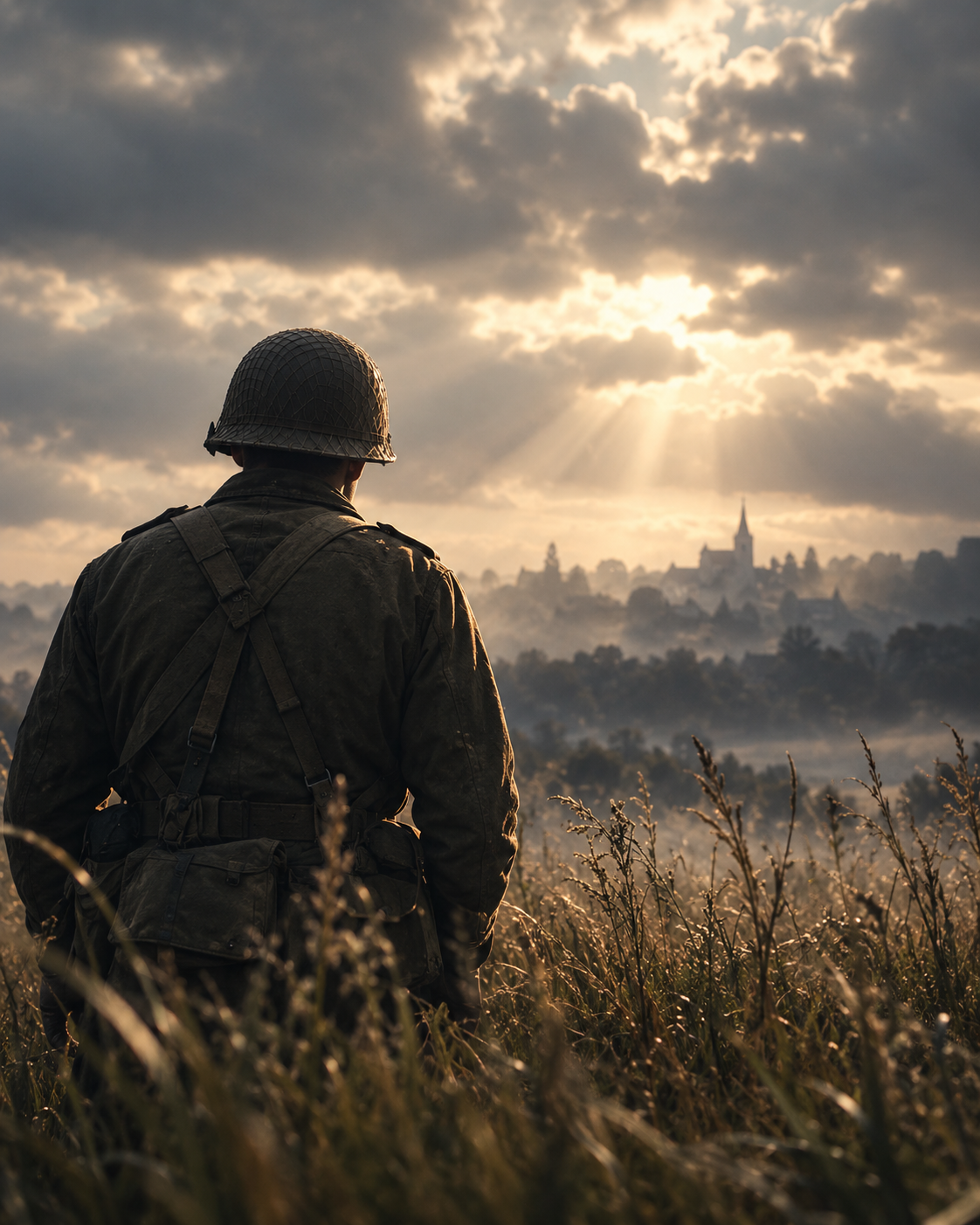
John Williams wrote Hymn to the Fallen for Steven Spielberg’s 1998 film Saving Private Ryan. Rather than accompanying a particular scene, the piece is heard over the closing credits as a memorial to those who gave their lives in war. Williams deliberately avoided the triumphant character of a traditional military march, creating instead a solemn procession built around a noble, slowly unfolding melody. The wordless chorus gives the music a universal quality: there is no story being told and no text to interpret, only remembrance. In a film celebrated for its unflinching depiction of combat, the final voice belongs not to battle, but to those who did not come home.
Saving Private Ryan · 1998
02
May It Be
arr. Warren Poquiz
May It Be
arr. Warren Poquiz
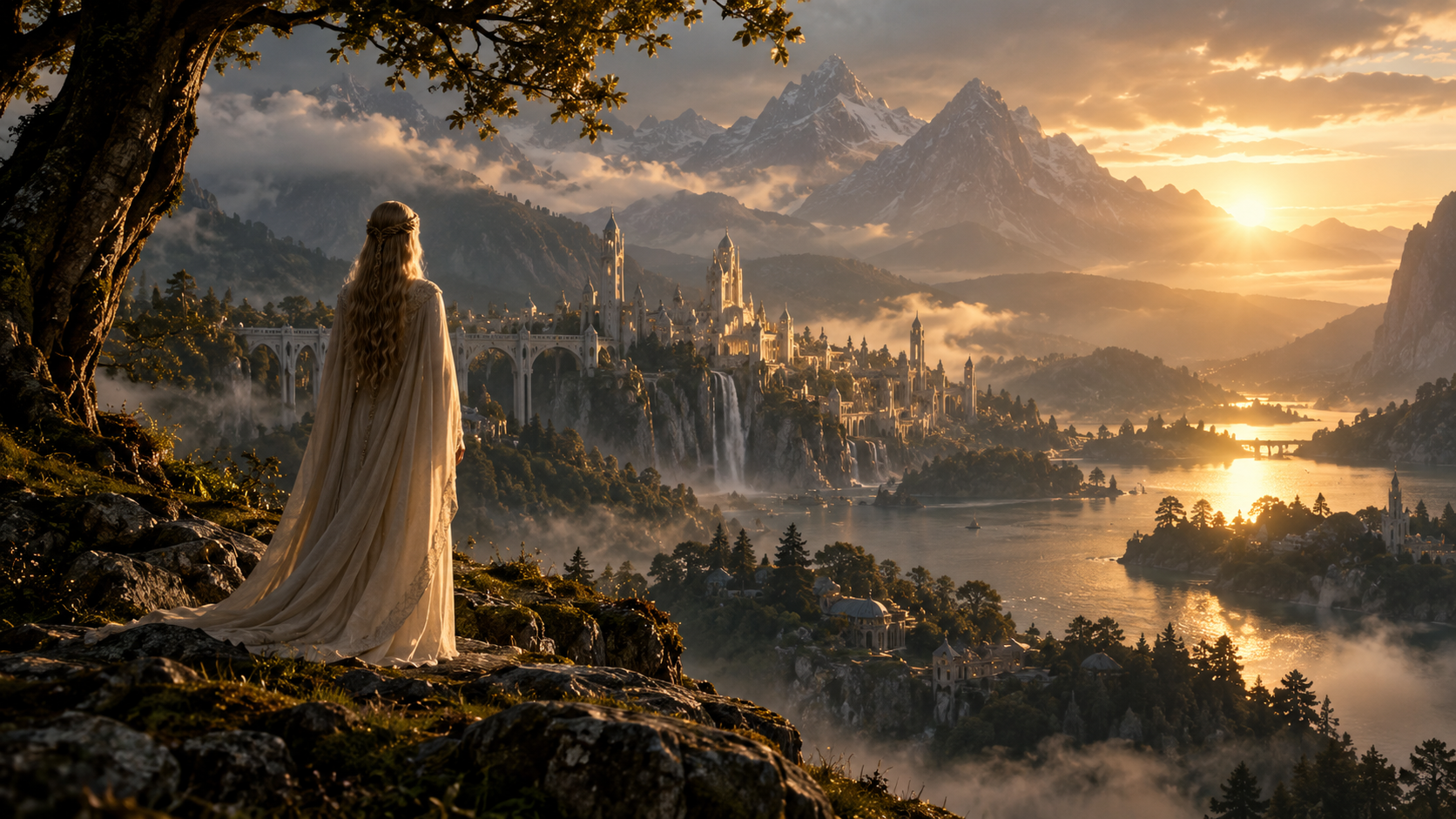
Written by Enya and lyricist Roma Ryan for The Lord of the Rings: The Fellowship of the Ring (2001), May It Be accompanies the film’s closing credits. Its English verses are interwoven with words in Quenya, one of the Elvish languages created by J.R.R. Tolkien. At its heart, the song is a blessing of hope in darkness: night may have fallen and the road ahead may be uncertain, but light still waits beyond the shadow. That journey from darkness toward light mirrors the ending of Fellowship, as the companions are scattered and Frodo and Sam continue toward Mordor alone, sustained by the hope that even the darkest road can lead toward dawn. Enya recorded the original after seeing preliminary footage from the film.
The Lord of the Rings: The Fellowship of the Ring · 2001
03
Little April Shower
Larry Morey, Frank Churchil (arr. Julie Gaulke)
Little April Shower
Larry Morey, Frank Churchil (arr. Julie Gaulke)
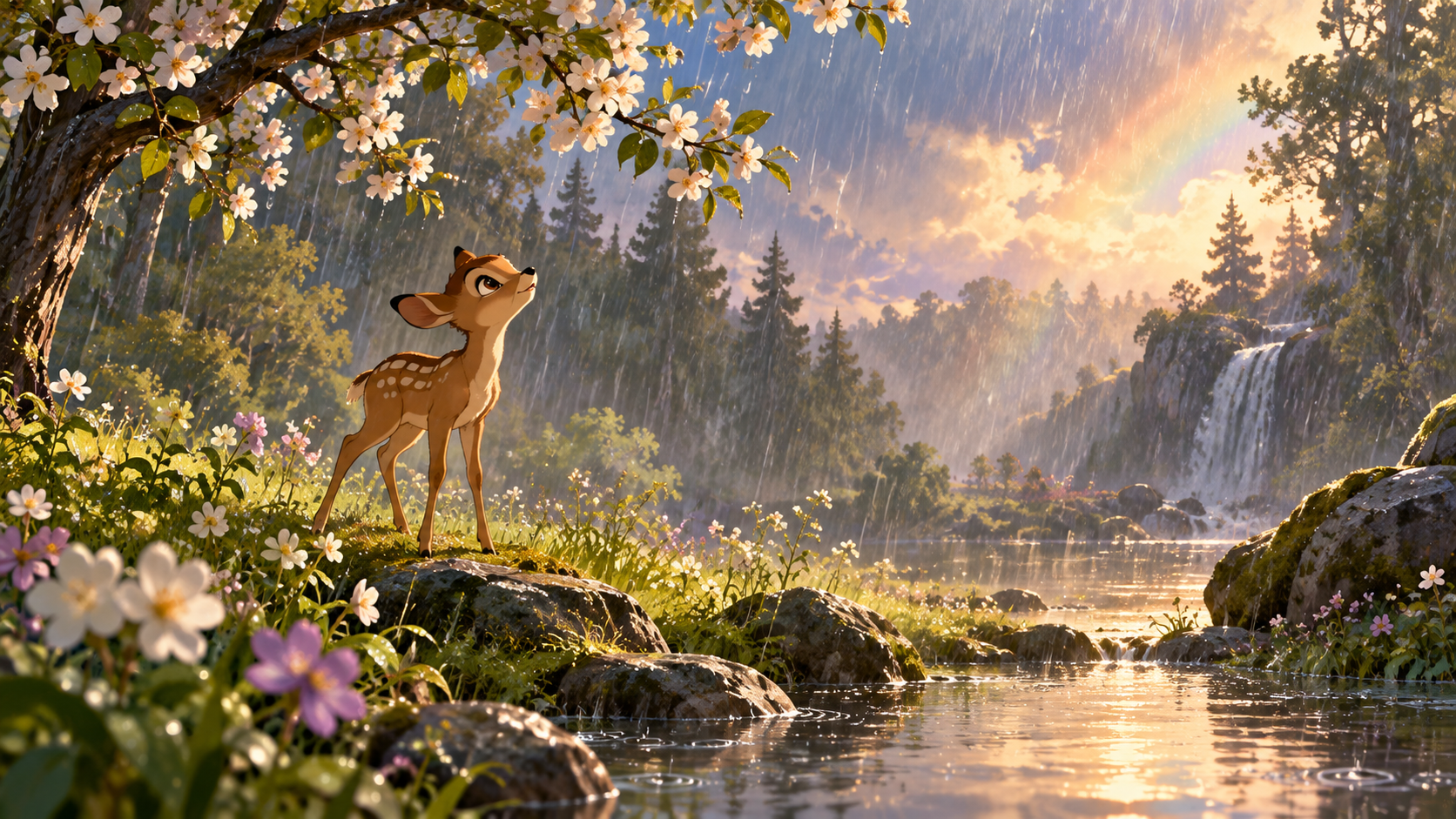
Little April Shower comes from Walt Disney’s Bambi (1942), where a gentle spring rain gradually grows into a full thunderstorm before quietly passing. Written by Frank Churchill with lyrics by Larry Morey, the song is a wonderful example of musical scene-painting: repeated syllables imitate falling raindrops while shifting rhythms and harmonies trace the storm as it gathers and recedes. In the film, the sequence turns something as ordinary as rainfall into one of young Bambi’s discoveries about the natural world. Listen for the voices becoming the weather itself.
Bambi · 1942
04
Skyfall
Adele Adkins, Paul Epworth (arr. J.A.C. Redford)
Skyfall
Adele Adkins, Paul Epworth (arr. J.A.C. Redford)
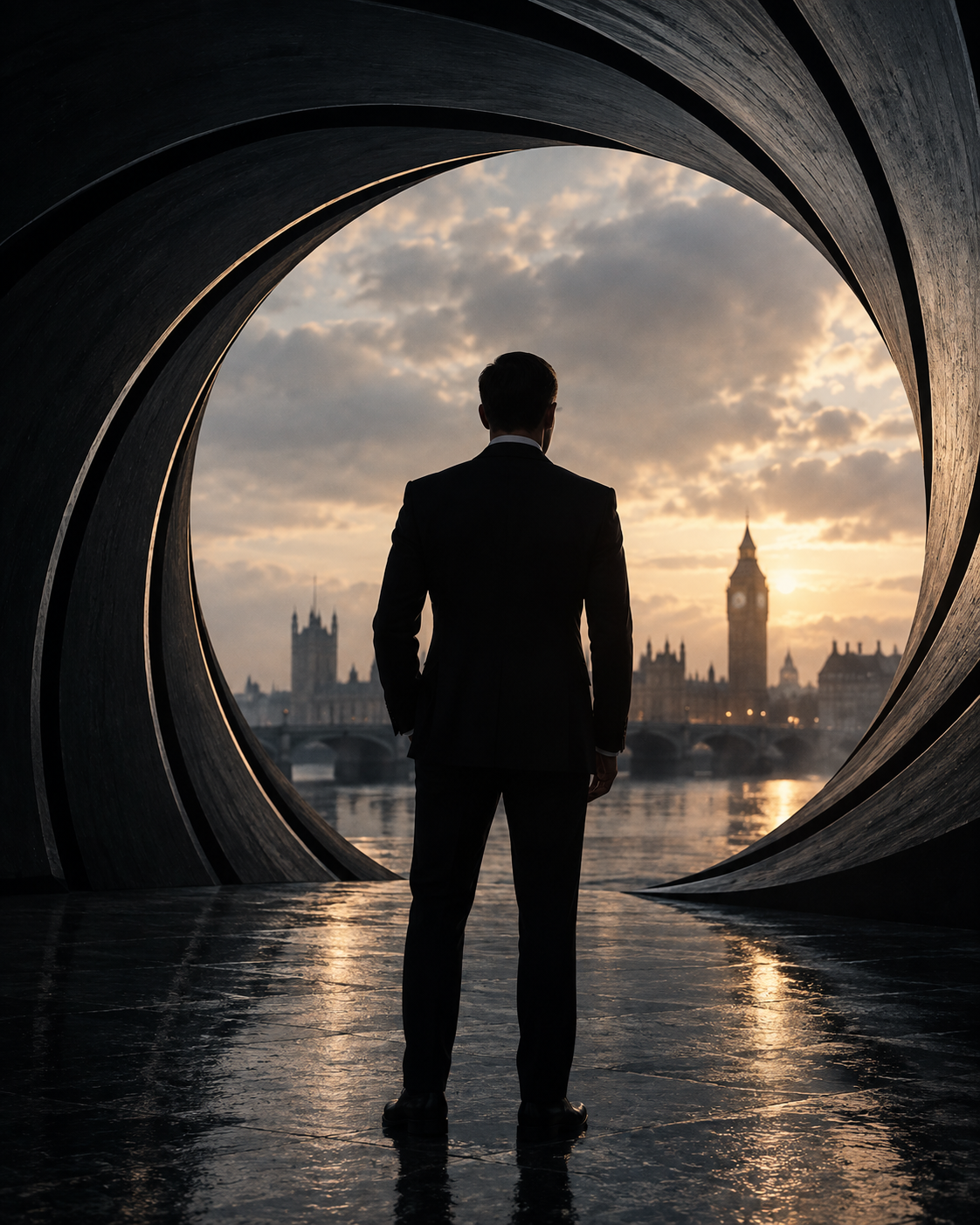
Adele and Paul Epworth wrote Skyfall for the 2012 James Bond film of the same name. Recorded with a 77-piece orchestra, the song deliberately reaches backward into the musical world of classic Bond themes while giving the franchise a darker, more introspective voice. Its lyrics revolve around destruction, loyalty, and facing catastrophe together, themes that mirror a film unusually concerned with Bond’s past and the consequences of it. Skyfall became the first Bond theme to win the Academy Award for Best Original Song.
Skyfall · 2012
05
Gabriel’s Oboe
Ennio Morricone (arr. Craig Hella Johnson)
Gabriel’s Oboe
Ennio Morricone (arr. Craig Hella Johnson)
Ennio Morricone composed Gabriel’s Oboe for Roland Joffé’s 1986 film The Mission. In the film, Jesuit missionary Father Gabriel enters the South American wilderness and, rather than approaching the Indigenous Guaraní with force, sits beside a waterfall and plays his oboe. The melody becomes his first means of communication with people whose language he does not speak. That scene gives the music much of its enduring power: the oboe represents beauty offered in place of violence and music functioning as a language of its own. Morricone’s score for The Mission has become one of the most celebrated film scores of the twentieth century.
The Mission · 1986
06
Moon River
Henry Mancini (arr. David Von Kampen)
Moon River
Henry Mancini (arr. David Von Kampen)
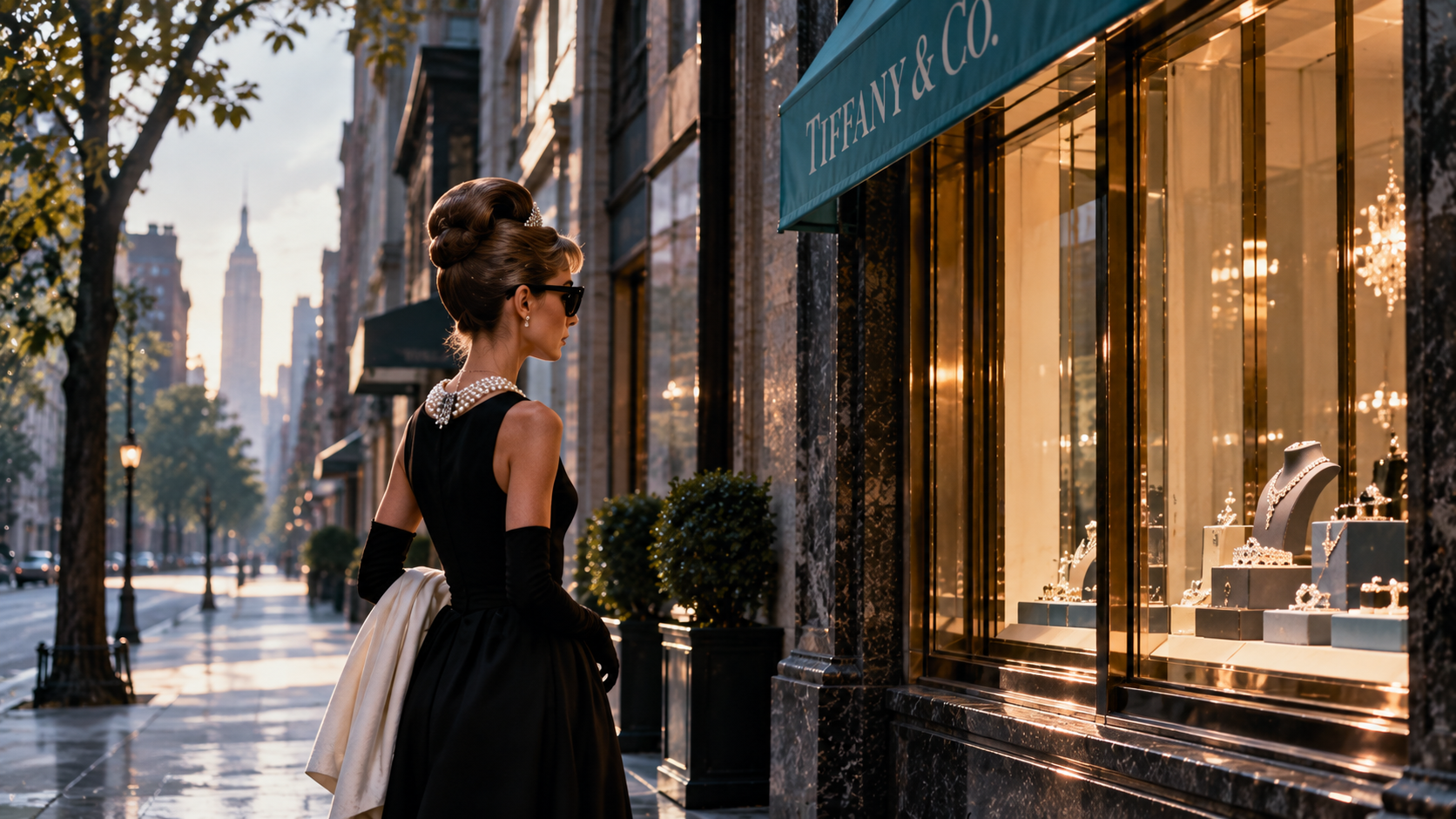
Henry Mancini and Johnny Mercer wrote Moon River for Breakfast at Tiffany’s (1961), where Audrey Hepburn sings it quietly from a New York fire escape while accompanying herself on guitar. Mancini later recalled that he wrote the melody specifically for Hepburn’s limited vocal range, allowing the song to feel intimate rather than theatrical. Mercer’s lyrics pair the image of a river with longing for whatever might lie beyond the horizon. The song won the Academy Award for Best Original Song and quickly escaped the film that created it, becoming one of the most frequently recorded popular songs of its era.
Breakfast at Tiffany’s · 1961
07
Lacrimosa (from Requiem in D Minor, K. 626)
Wolfgang Amadeus Mozart
Lacrimosa (from Requiem in D Minor, K. 626)
Wolfgang Amadeus Mozart
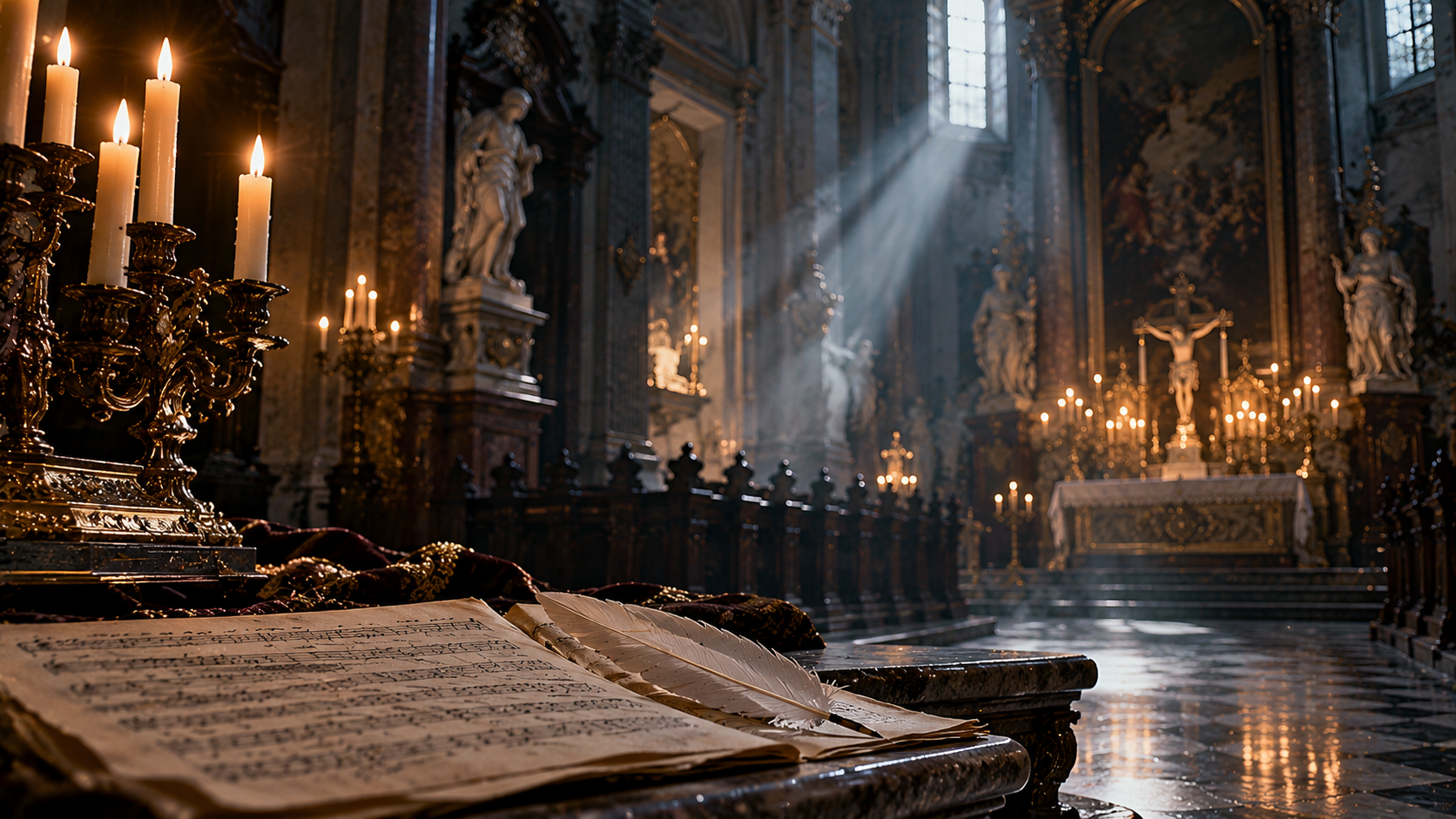
Mozart’s Lacrimosa forms part of the Dies irae sequence in his Requiem in D Minor, K. 626. The Latin text imagines the “day of tears,” when humanity rises from the ashes to face judgment, before turning toward a plea for mercy and rest. The music carries an additional poignancy because Mozart died in 1791 with the Requiem unfinished. Tradition holds that his completed manuscript breaks off only eight measures into the Lacrimosa; the work was later completed by his pupil Franz Xaver Süssmayr. In Amadeus (1984), Mozart’s final work becomes central to the film’s haunting portrayal of his last days.
Amadeus · 1984
08
"Halo" Gregorian Chant
Munx Gregoriana (arr. Solar)
"Halo" Gregorian Chant
Munx Gregoriana (arr. Solar)

The now-iconic choral sound of Halo began with a practical request: composer Martin O’Donnell was asked to create music for the game’s unveiling that conveyed something “ancient, epic and mysterious.” His solution was Gregorian chant. That unexpected combination of an ancient sacred sound with a futuristic science-fiction world became one of the defining musical identities in video-game history. The original Halo theme surrounds the chant with percussion, strings, and driving orchestral writing; stripped back to male voices, its opening reveals just how simple and striking the musical idea really is.
Halo
09
Oy Polná, Polná Koróbushka
Russian Folk Song (arr. Constantine Shvedoff)
Oy Polná, Polná Koróbushka
Russian Folk Song (arr. Constantine Shvedoff)

Long before its melody became inseparable from falling blocks, Korobushka was a nineteenth-century Russian folk song based on Nikolay Nekrasov’s 1861 poem Korobeiniki. The title refers to the box or pack carried by a traveling peddler. In the song, a young merchant bargains flirtatiously with a woman named Katya, with the exchange of his wares becoming an unmistakable metaphor for courtship. More than a century later, an arrangement of the folk tune appeared in Nintendo’s 1989 Tetris for Game Boy as “Type A.” Its association with the game became so strong that, for millions of listeners, this Russian folk melody simply became “the Tetris song.”
Oh, how full, how full is my basket
With calicoes and brocades!
Have pity, my sweetheart,
Take the burden off my shoulders!
I'll go into a rye field
And there will wait for you till night.
When I see my dark-eyed love,
All my wares I'll display.
The foggy night has fallen.
And the brave lad is waiting.
Hark! At last she comes,
And the peddler sells his wares.
Only the dark night knows
The agreement they made.
Straighten up, tall rye,
And loyally keep their secret.
Tetris
10
Baba Yetu
Christopher Tin
Baba Yetu
Christopher Tin

Christopher Tin’s Baba Yetu was written as the title theme for the 2005 video game Civilization IV. Its text is the Lord’s Prayer sung in Swahili, an inspired pairing for a game that follows human civilization across cultures and thousands of years of history. Tin had been roommates at Stanford with the game’s designer, Soren Johnson, who later asked him to compose the opening music. In 2011, Baba Yetu made history when it won the Grammy Award for Best Instrumental Arrangement Accompanying Vocalist(s), becoming the first piece of music written for a video game to win a Grammy Award.
Civilization IV
11
Dragonborn
Jeremy Soule
Dragonborn
Jeremy Soule

When The Elder Scrolls V: Skyrim opens, the player enters a world with its own geography, mythology, history, and even language. Composer Jeremy Soule’s Dragonborn gives that world its musical identity. Its text is sung in Skyrim’s fictional Dragon Language and celebrates the prophesied Dragonborn, a mortal born with the soul and power of a dragon, destined to confront the returning dragon Alduin. The main theme grows out of music from earlier Elder Scrolls games, but here it is transformed into something massive and elemental. The original recording uses a choir of thirty singers layered multiple times to create the sound of more than ninety voices.
(Chorus) Dragonborn, Dragonborn, by his honor is sworn,
To keep evil forever at bay!
And the fiercest foes rout when they hear triumph's shout,
Dragonborn, for your blessing we pray!
Hearken now, sons of snow, to an age, long ago,
And the tale, boldly told, of the one!
Who was kin to both wyrm, and the races of man,
With a power to rival the sun!
And the voice, he did wield, on that glorious field,
When great Tamriel shuddered with war!
Mighty Thu'um, like a blade, cut through enemies all,
As the Dragonborn issued his roar!
And the Scrolls have foretold, of black wings in the cold,
That when brothers wage war come unfurled!
Alduin, Bane of Kings, ancient shadow unbound,
With a hunger to swallow the world!
But a day, shall arise, when the dark dragon's lies,
Will be silenced forever and then!
Fair Skyrim will be free from foul Alduins maw,
Dragonborn be the savior of men!
The Elder Scrolls V: Skyrim · 2011
12
The Ballad of Sweeney Todd
Stephen Sondheim (arr. Andy Beck)
The Ballad of Sweeney Todd
Stephen Sondheim (arr. Andy Beck)
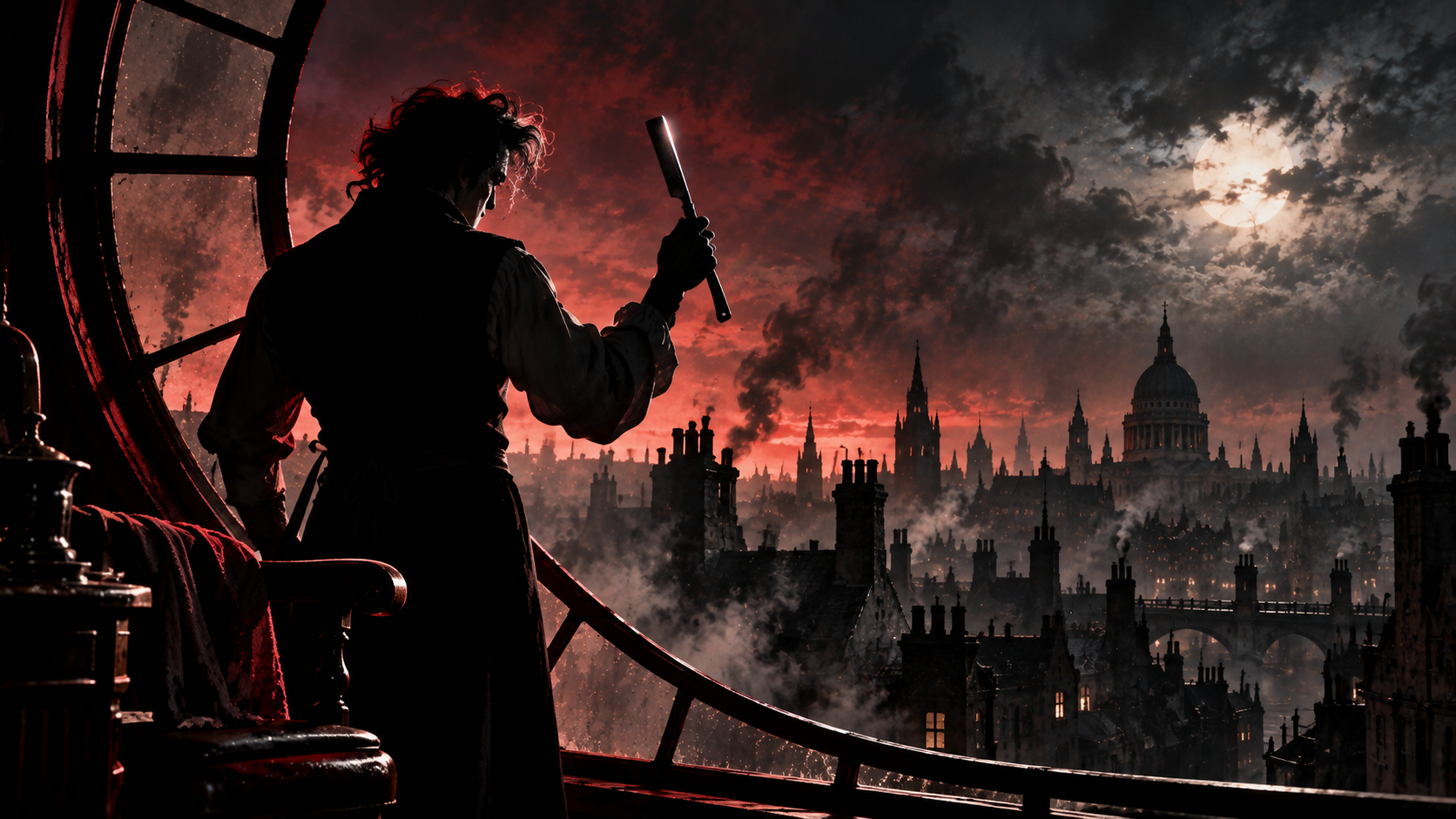
Stephen Sondheim’s The Ballad of Sweeney Todd opens his 1979 musical Sweeney Todd: The Demon Barber of Fleet Street with what amounts to a Victorian ghost story. Before Sweeney himself has said a word, the company tells us exactly who he is: a barber, a murderer, and a man whose story has already become legend. Sondheim surrounds that tale with shrieking factory whistles and music that repeatedly invokes the medieval Dies irae, the ancient chant associated with death and judgment. Throughout the musical, the Ballad returns in fragments, with the ensemble acting almost like a Greek chorus as Sweeney’s tragedy hurtles toward its conclusion.
Sweeney Todd: The Demon Barber of Fleet Street · 1979
13
One Day More
Claude-Michel Schönberg
One Day More
Claude-Michel Schönberg
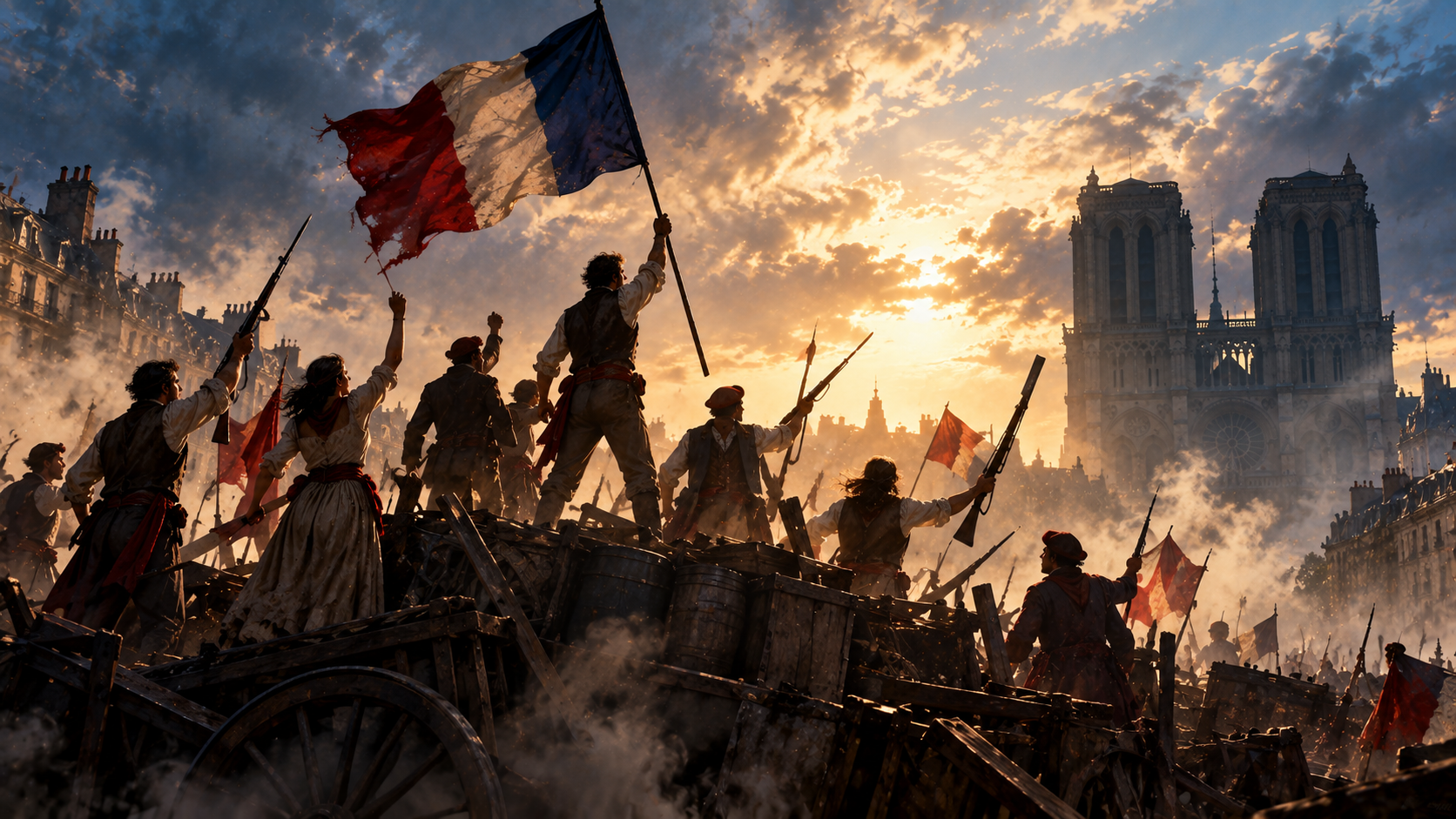
One Day More closes Act I of Les Misérables by bringing nearly every major character and storyline together at once. Valjean prepares to flee; Marius chooses between Cosette and his fellow revolutionaries; Éponine confronts unrequited love; Javert prepares to infiltrate the rebellion; the Thénardiers anticipate opportunity; and the students look toward the barricades. Claude-Michel Schönberg builds these competing thoughts by reintroducing melodies heard earlier in the musical and layering them one upon another until the entire company is singing simultaneously. It is musical theatre doing something uniquely musical: allowing an audience to hear many different inner worlds at the same moment.
Les Misérables · 1980
14
Libiamo ne' lieti calici
Giuseppe Verdi
Libiamo ne' lieti calici
Giuseppe Verdi
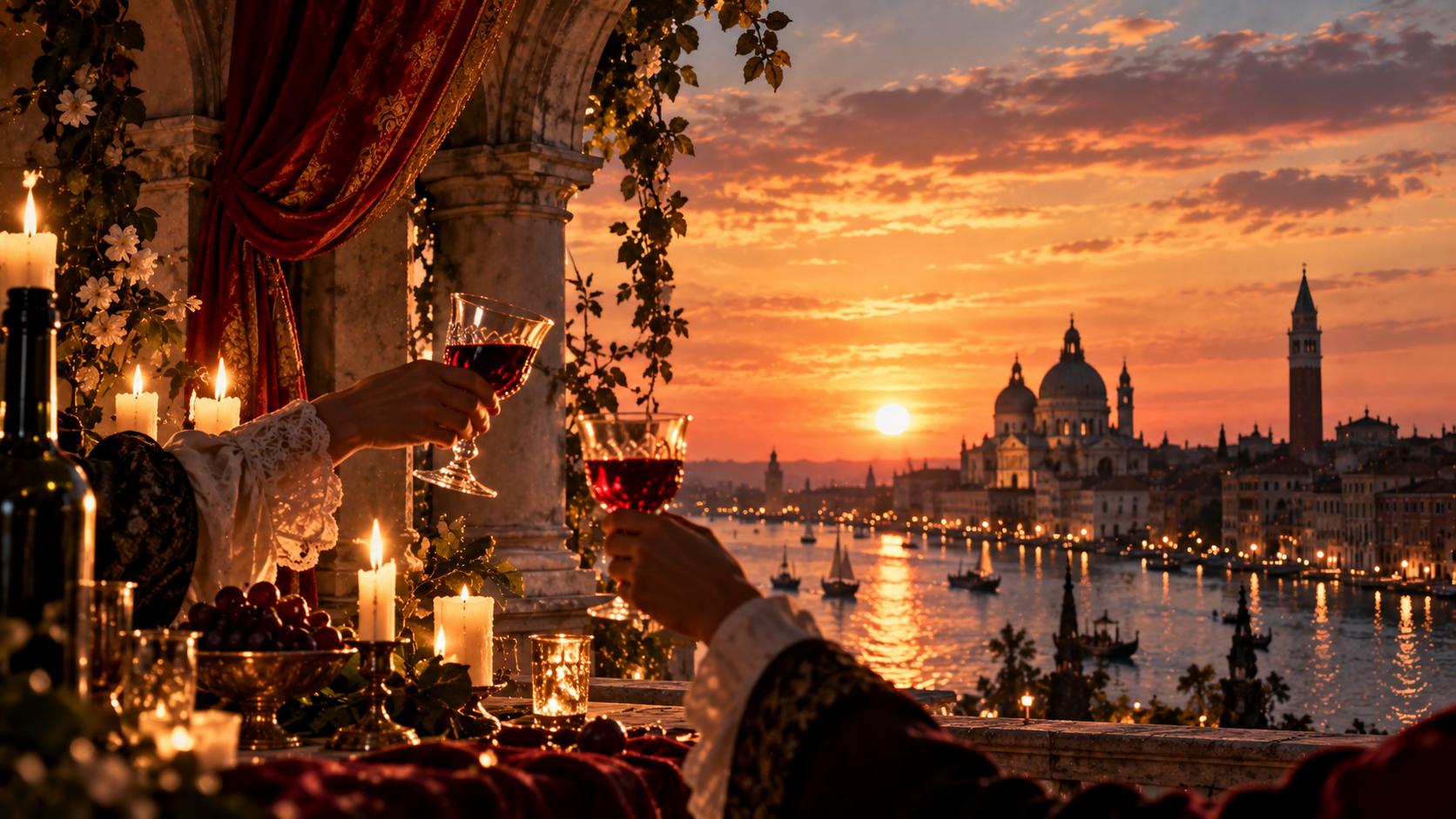
Few operatic drinking songs are as instantly recognizable as Libiamo ne’ lieti calici, the famous Brindisi (“drinking song”) from Giuseppe Verdi’s La Traviata (1853). It occurs early in Act I at a glittering party in the Paris home of the courtesan Violetta Valéry. Alfredo, already in love with Violetta, is persuaded to propose a toast; she joins him, and soon the entire party is swept into the waltz. Beneath all the champagne and celebration, however, Verdi is quietly introducing the opera’s central tension: Alfredo believes in love, while Violetta insists that life is fleeting and pleasure should be enjoyed while it lasts. Their playful disagreement will become the tragedy of the opera.
La Traviata · 1853
Let us drink from these joyful cups
that beauty adorns,
and may the fleeting hour
be intoxicated with pleasure.
Let us drink to the sweet excitement
that love awakens,
for those beautiful eyes
pierce straight to the heart.
Let us drink, for love
makes the cup’s kisses warmer.
With you I would share
these joyful moments.
Everything in this world is folly
that does not give us pleasure.
Let us enjoy ourselves,
for love’s delight is fleeting,
like a flower that blooms and dies
and can be enjoyed no more.
Let us enjoy ourselves!
A warm and inviting voice
calls us onward.
Let us enjoy the wine and the singing,
and the laughter that beautifies the night.
Let the new day find us
still in this paradise.
Life is found in celebration.
Yes, when one has not yet known love.
That is my destiny.
Then enjoy yourself.
Love is swift and fleeting.
The Voices Behind the Music
Meet the singers and accompanist bringing Soundtracks to life.
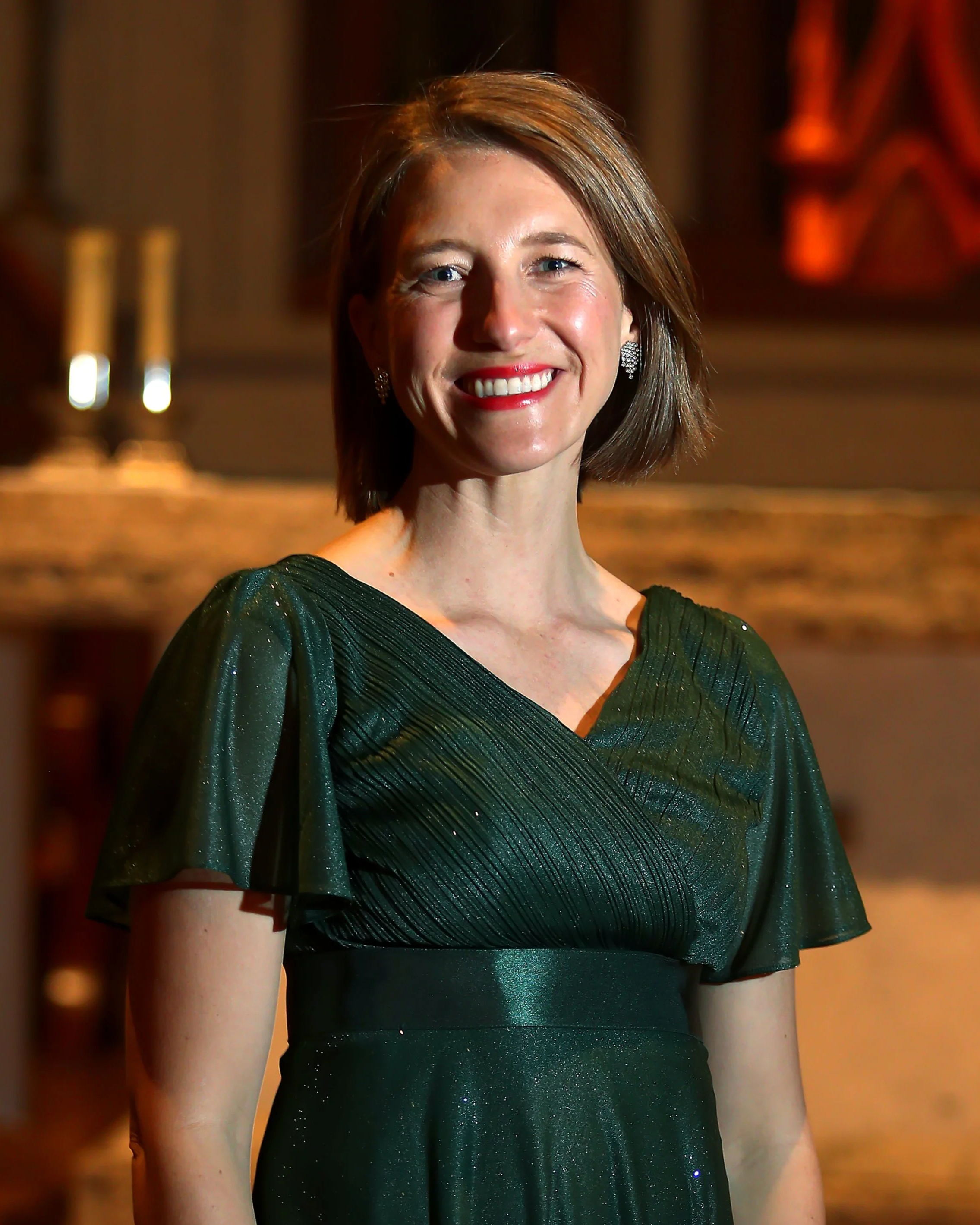
Liz Crittenden
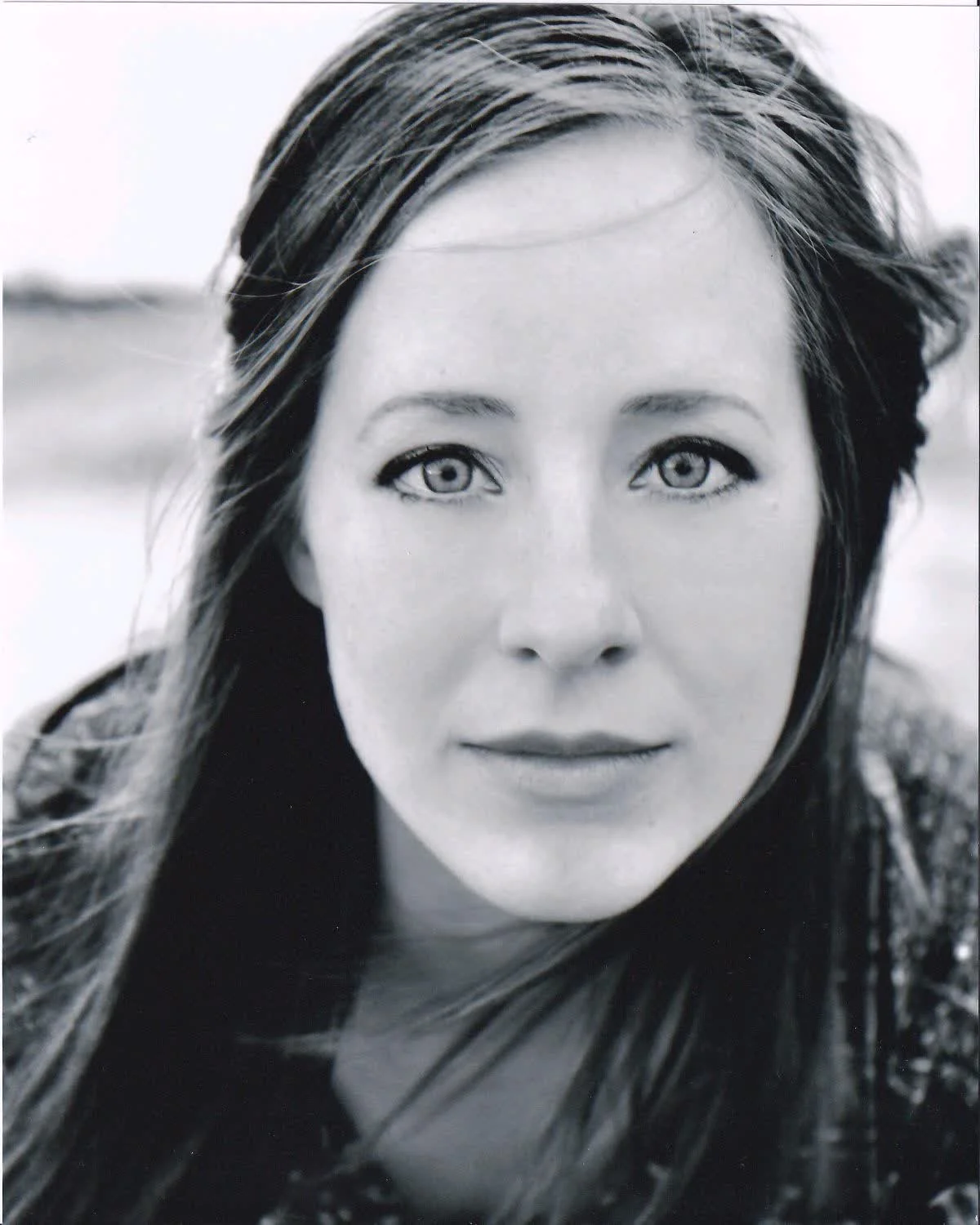
Rachel Morris
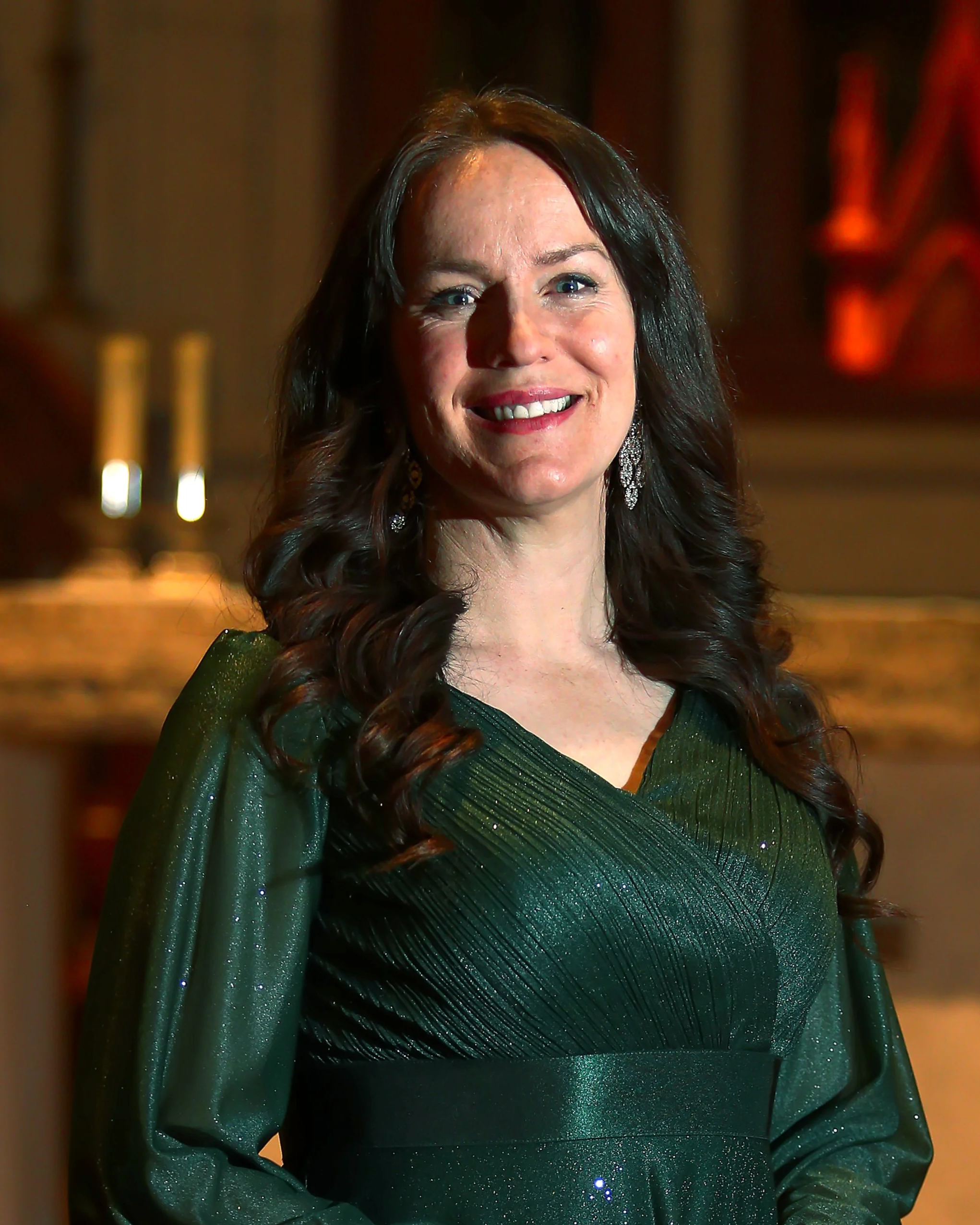
Joni Olson
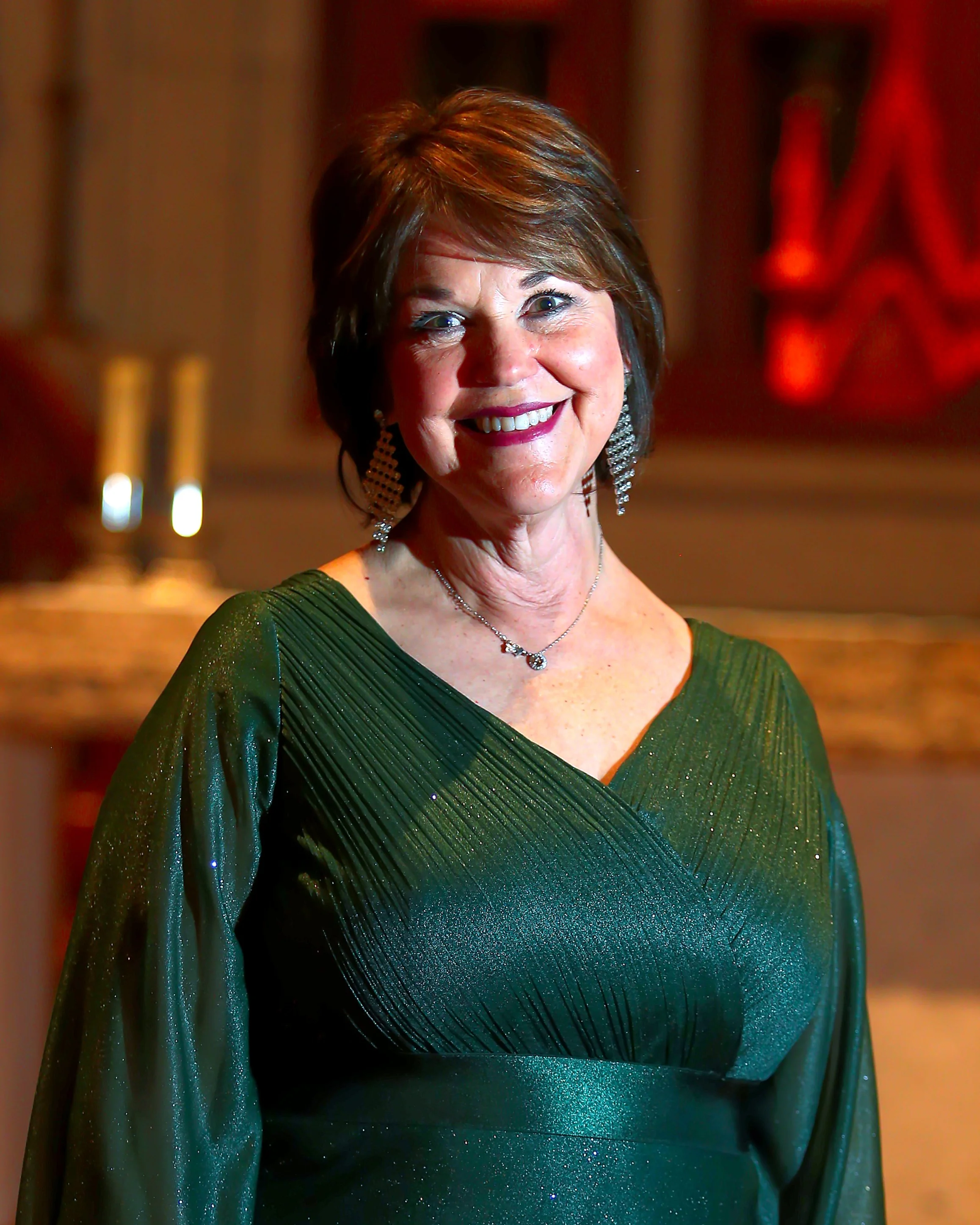
Lorraine Branham
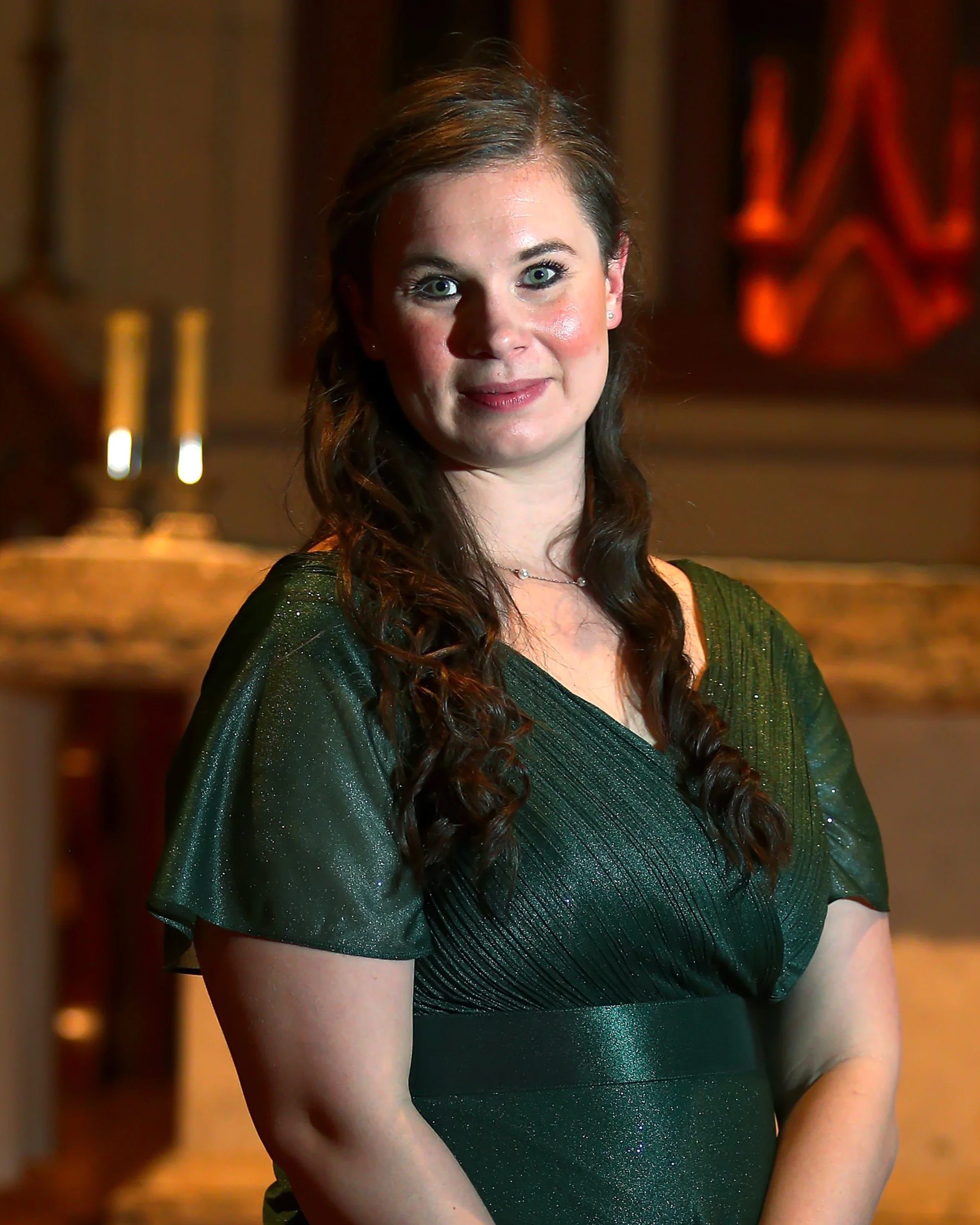
Madelynn Hunter
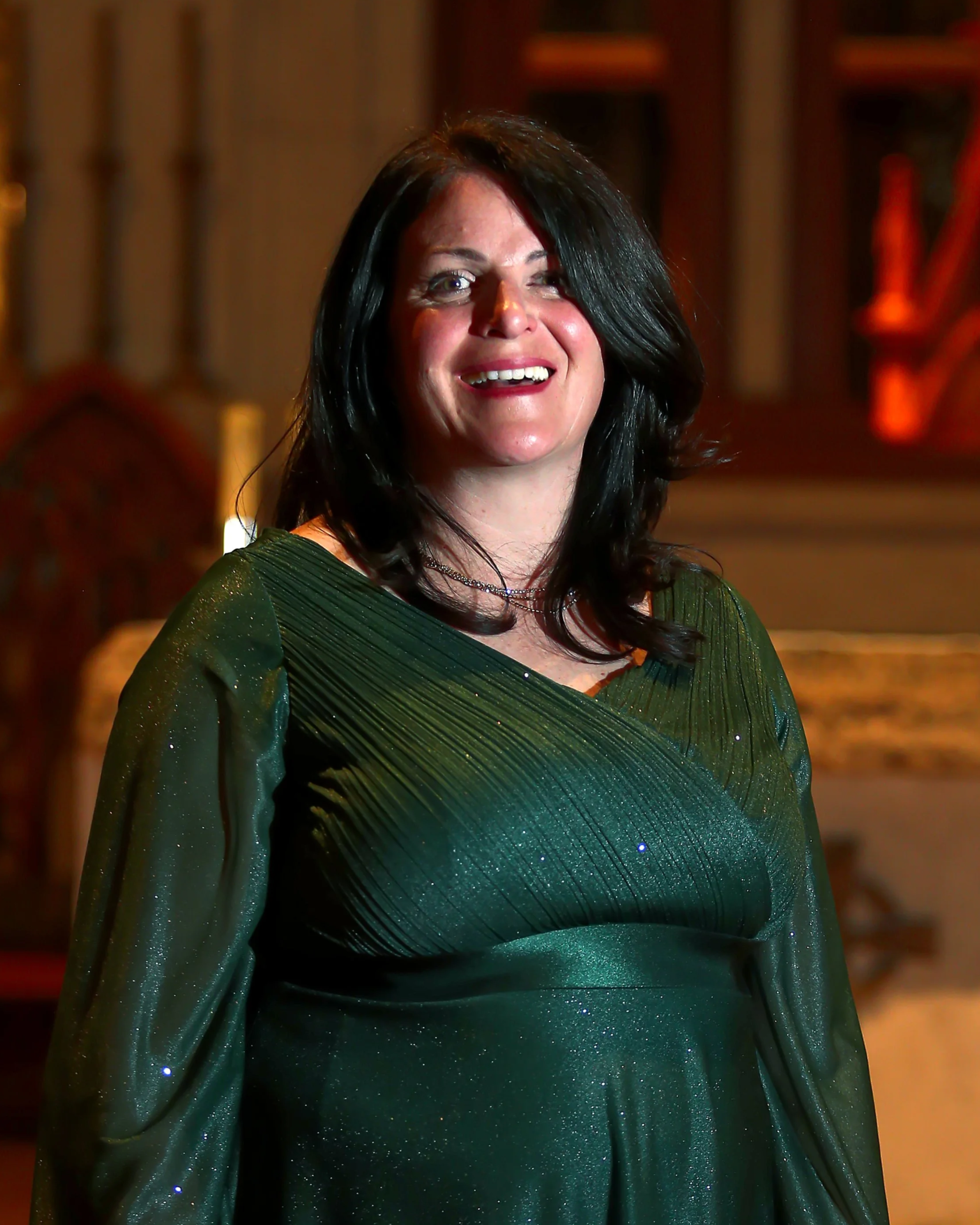
Liz Jensen
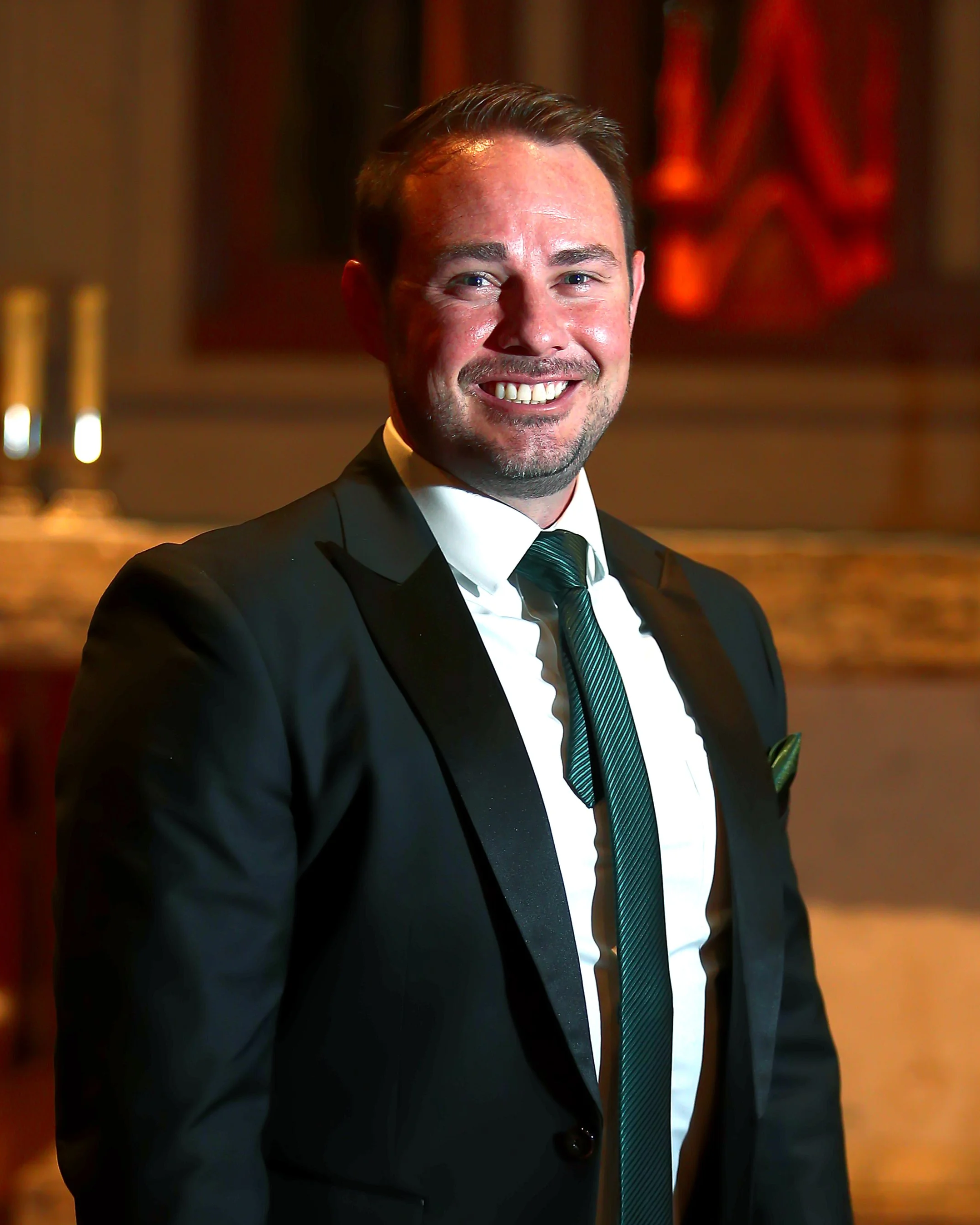
Kadan Bradley
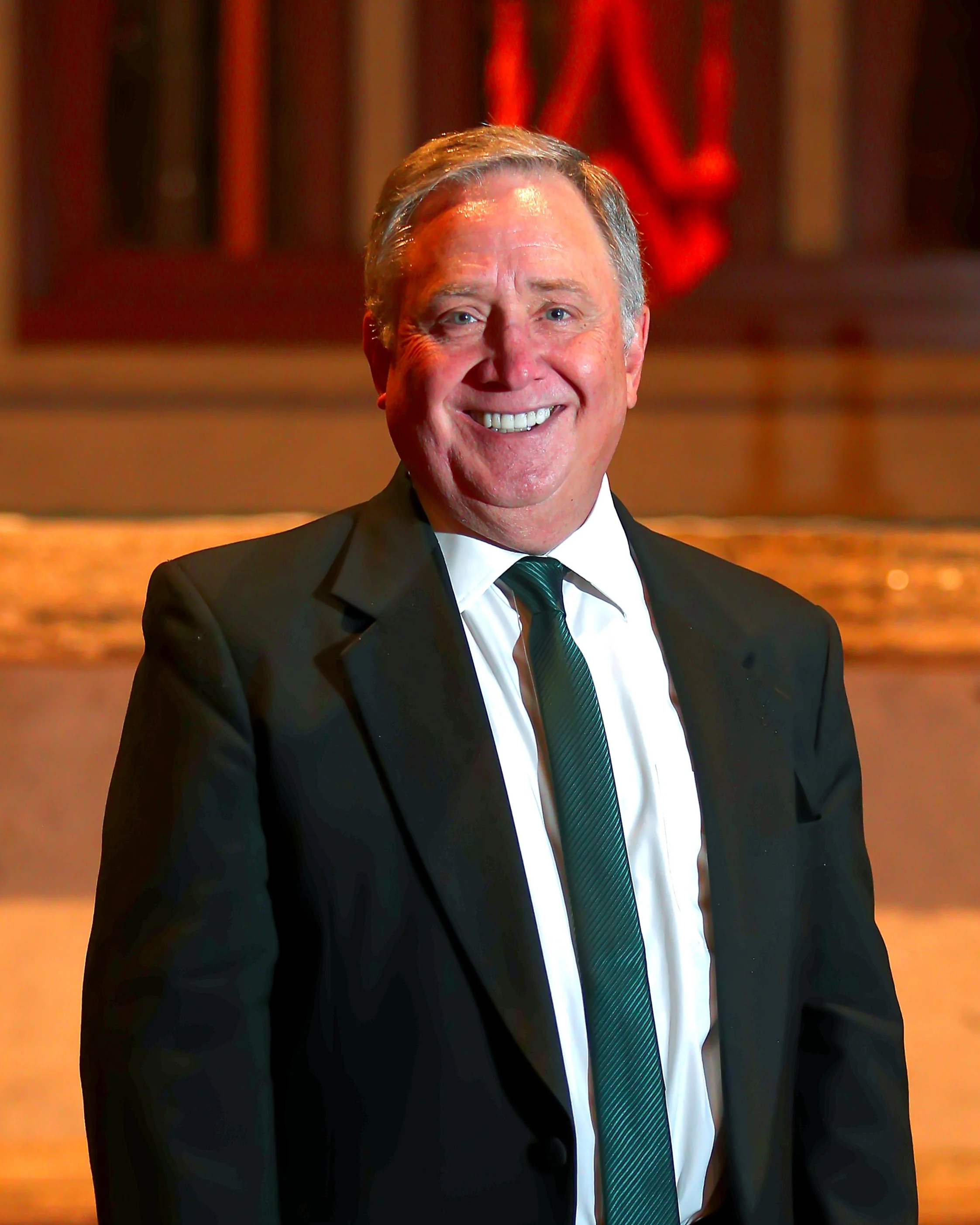
Scott Cannon

Josh Hooker
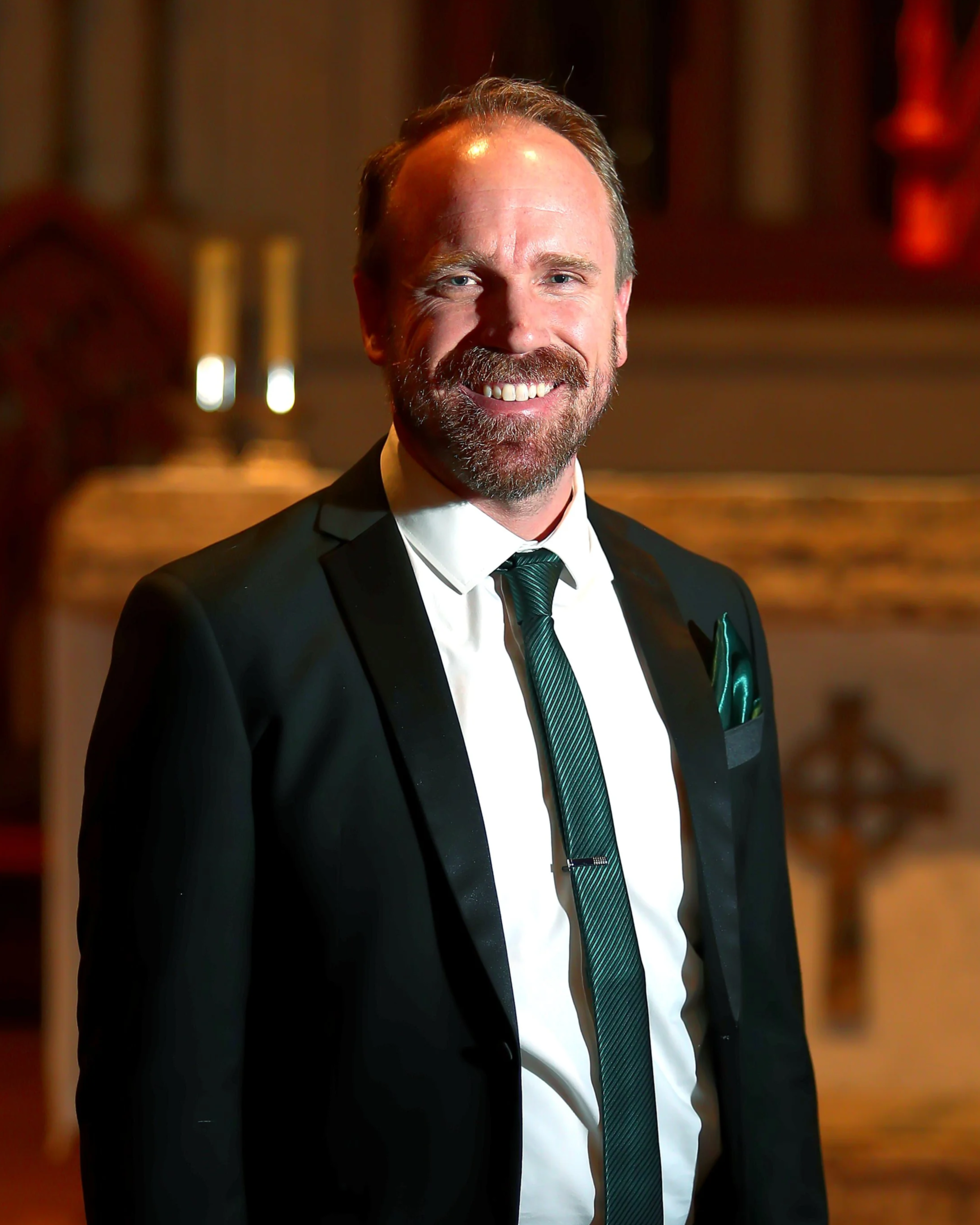
Nathan Moulton
J. Arden Hopkin
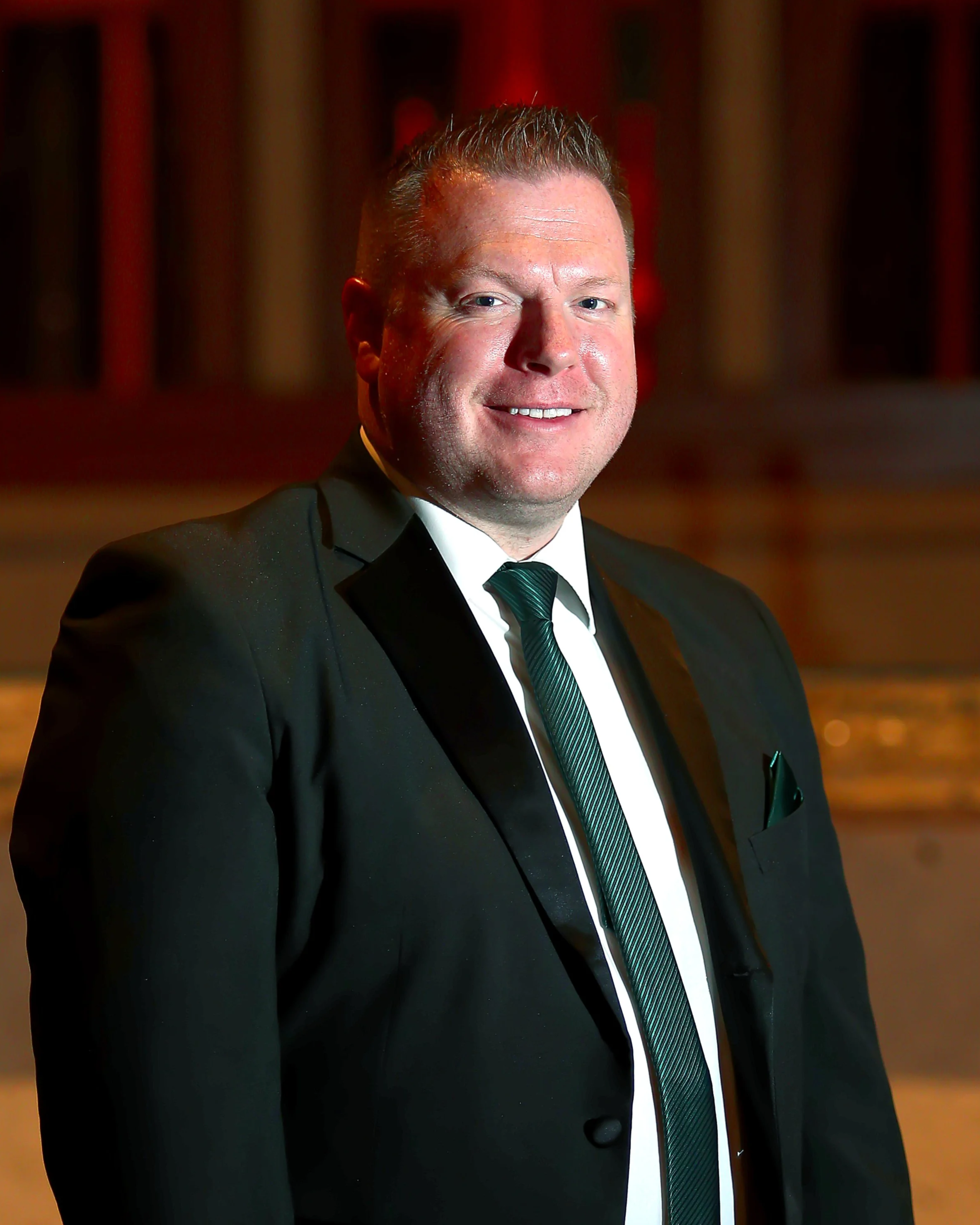
Devin LuBean
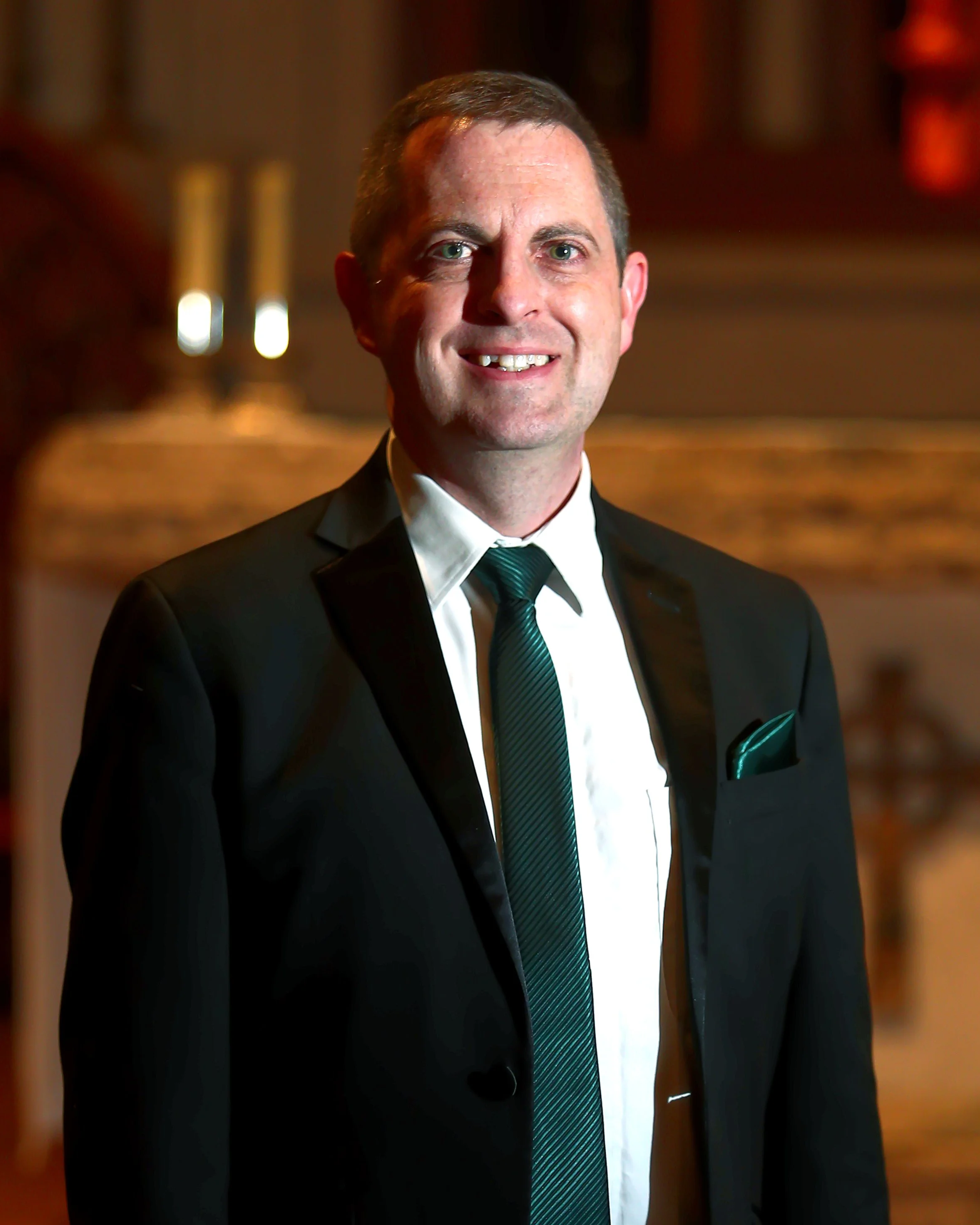
Stephen Reynolds
Heidi Burnard
Want to know more about Wasatch Camerata?
View Full Bios →Prefer the Printed Version?
View the same program available at tonight’s performance.
View Print Program (PDF) →Help Us Keep the Music Going
Wasatch Camerata is a nonprofit ensemble committed to creating exceptional choral experiences and keeping our concerts free and accessible to everyone.
If you’ve enjoyed tonight’s performance, your gift helps us compensate musicians, prepare new programs, secure performance spaces, and continue sharing this music with our community.
Not ready to say goodbye?
Send us a note about your experience. We'd love to hear from you.
Stay in Touch →
Subscribe below to join our mailing list for upcoming concerts, programs,
and occasional news from the ensemble.